

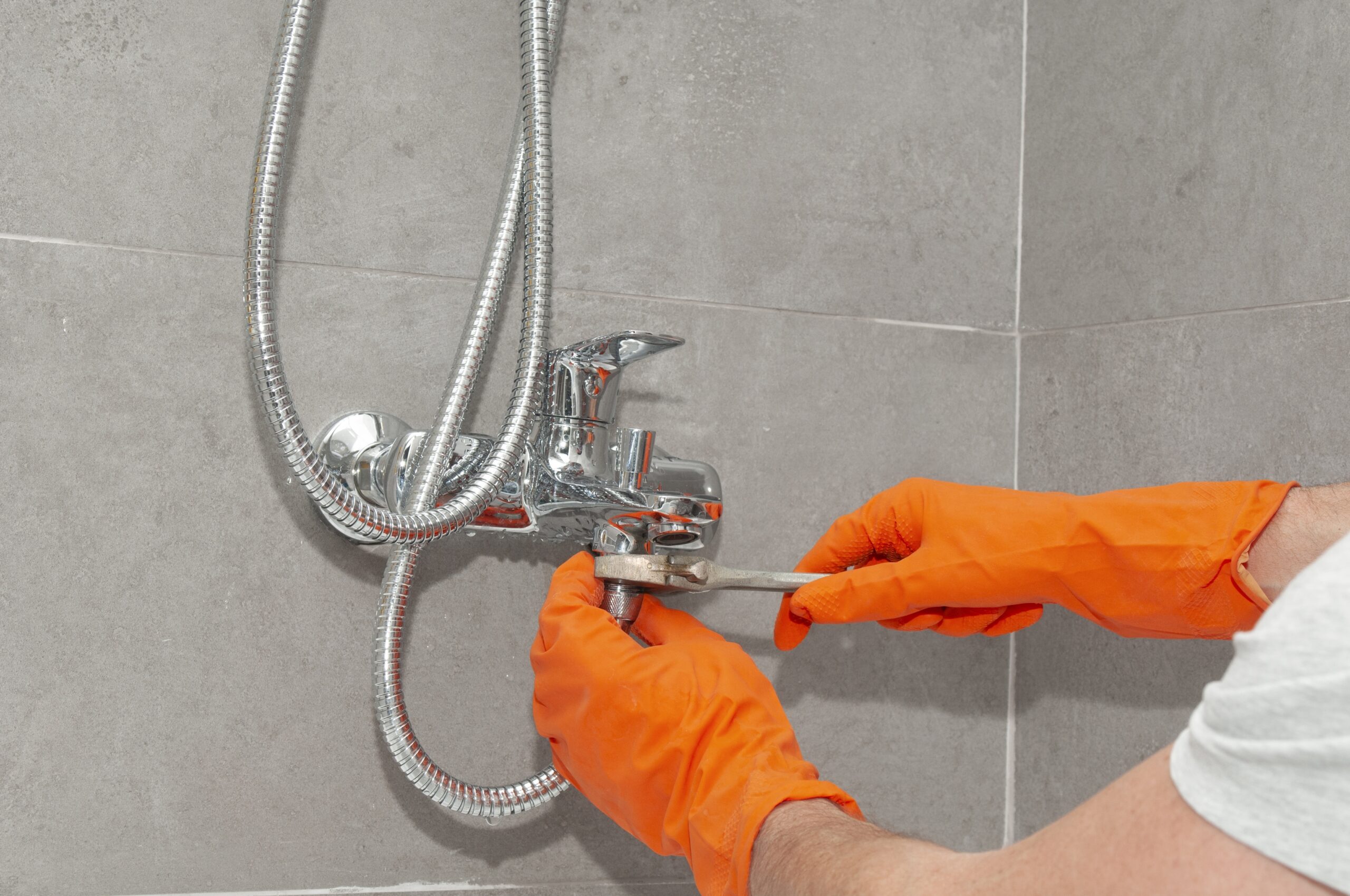
There’s nothing more frustrating than stepping into the shower expecting strong water flow, only to be met with a weak trickle. Or waiting forever for a pot to fill in the kitchen. If your home’s water pressure has suddenly dropped, you’re not alone.
Many homeowners in West Chester, Pennsylvania deal with water pressure issues at some point, especially in older homes or properties located near busy routes like West Chester Pike or U.S. Route 202, where infrastructure demand can fluctuate.
The good news? Low water pressure is usually caused by a handful of common issues and many of them are fixable.
In this guide, you’ll learn:
- What causes low water pressure
- How to diagnose the issue
- What you can fix yourself
- When it’s time to call a professional
Understanding Water Pressure
Water pressure is the force that pushes water through your pipes and out of your taps, showerheads, and appliances. In most homes, normal pressure sits between 40–60 PSI.
In areas like Chester County, water is supplied through municipal systems that rely on pumps, elevation, and infrastructure. By the time water reaches your home, several factors can affect how strong that flow is:
- Distance from the supply source
- Pipe condition and age
- Layout of your plumbing system
- Demand in your local area
Older homes especially around historic parts of Downtown West Chester often experience more pressure issues due to aging pipes and outdated plumbing systems.
Common Causes of Low Water Pressure
If your water pressure has dropped, here are the most likely causes:
Issues with the Water Supply
Sometimes the problem isn’t inside your home, it’s coming from the main supply.
- Water Main Leaks: A break or leak in municipal pipes can reduce pressure across entire neighborhoods
- High Demand Periods: Peak usage times can temporarily lower pressure
- Pressure Regulator Issues: A faulty pressure-reducing valve (PRV) can restrict flow into your home
- Construction Activity: Roadwork near areas like U.S. Route 202 can sometimes impact supply lines
Plumbing System Problems
More often, the issue is within your home’s plumbing system.
- Hidden Leaks: Even small leaks can reduce overall pressure
- Corroded Pipes: Older galvanized pipes (common in older West Chester homes) restrict water flow over time
- Mineral Buildup: Sediment accumulation narrows pipes and reduces pressure
- Main Line Damage: Tree roots or ground movement can impact underground pipes
Fixture-Specific Problems
If only one faucet or shower is affected, the issue is likely localized.
- Clogged Aerators: Mineral deposits block flow
- Partially Closed Valves: Restrict water supply
- Old Fixtures: Outdated low-flow fixtures may feel weaker compared to modern designs
Diagnosing Low Water Pressure
Before jumping into fixes, you need to identify where the problem is coming from.
Whole-House Low Pressure
If every fixture is affected:
1. Check Your Water Pressure
Use a pressure gauge on an outdoor tap to measure PSI.
2. Look for Leaks
Listen for hissing sounds. Check your water meter when no water is running
3. Inspect Visible Pipes
Look for corrosion, buildup, or damage, especially near your main water line.
Fixture-Specific Low Pressure
If it’s only one area:
1. Inspect the Fixture
Remove the aerator or showerhead and check for buildup.
2. Check Shutoff Valves
Ensure they are fully open.
3. Test Nearby Fixtures
If others are fine, the issue is isolated.
How to Fix Low Water Pressure
Here’s how to fix it based on the cause:
Quick DIY Fixes
Clean faucet aerators
Soak showerheads in vinegar
Fully open shutoff valves
Moderate Fixes
Flush pipes to remove buildup
Replace old fixtures
Adjust pressure regulator
Advanced Fixes
Repair hidden leaks
Replace corroded pipes
Fix main water line issues
Preventative Tips to Maintain Strong Water Pressure- Once your pressure is restored, keep it that way:
Regular Leak Checks
- Monitor pipes, fixtures, and your water meter.
Annual Pipe Flushing
- Prevents sediment buildup.
Upgrade Old Fixtures
- Modern fixtures improve both efficiency and pressure.
Schedule Professional Inspections
- Catch small issues before they become expensive problems.
When to Call a Professional Plumber in West Chester, Pennsylvania
Some problems require expert help. Call a professional if:
Pressure is low throughout the entire home
You suspect a hidden leak
Pipes are old or corroded
DIY fixes didn’t work
- A local plumber understands the specific challenges of homes in West Chester, including aging infrastructure and common regional plumbing issues.
- Getting professional help ensures safe, reliable water operation and avoids potential hazards. Schedule a HVAC service with High Tech Heating & Cooling by giving us a call at (215) 486-0879.